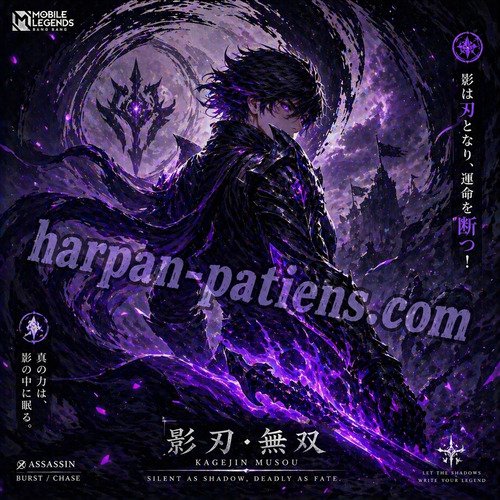
Understanding How Clones and Summoned Units Influence Combat
harpan-patiens.com – Summoned units and clone-based abilities add an unusual layer of complexity to Mobile Legends: Bang Bang. Unlike ordinary attacks that rely entirely on a hero’s direct actions, these mechanics introduce additional characters or copies that can influence movement, damage, targeting, and battlefield pressure. Some abilities create temporary copies of the hero, while others summon creatures or units that automatically attack nearby enemies. Although these effects may appear straightforward, using them effectively requires an understanding of their behavior, limitations, and interaction with the surrounding battlefield.
Clones generally imitate certain aspects of the original hero, but they do not always reproduce every action perfectly. Depending on the ability, a clone may copy movement, basic attacks, or selected combat behaviors. Some copies exist mainly to confuse opponents, while others contribute additional damage or help the original hero escape from dangerous situations. Their usefulness depends on how closely the clone resembles the real character and how easily opponents can distinguish between them. A poorly timed clone may have little impact if enemies immediately recognize which character is genuine. However, a well-positioned copy can create hesitation and make it harder for opponents to choose the correct target.
Summoned units operate differently because they may follow independent attack patterns. They can automatically approach enemies, defend an area, or provide additional pressure during a fight. Some summoned creatures are designed to support damage output, while others help a hero maintain control over a particular location. Their presence can force opponents to divide their attention between the hero and the additional unit. This creates opportunities for the player to reposition, continue attacking, or prepare another ability while the summoned unit occupies the enemy.
The distinction between clones and summoned units is important when developing a strategy. A clone that imitates the hero may be most valuable during moments when opponents rely on visual recognition and target selection. A summoned creature that deals consistent damage may be more useful during extended engagements or when pressuring an enemy who cannot easily eliminate it. Players should identify what each ability is designed to accomplish instead of assuming that every additional unit has the same purpose.
These mechanics also influence the way opponents approach combat. An enemy may hesitate before using a targeted ability if several similar characters appear on the screen. Another opponent may attempt to eliminate a summoned unit before continuing the fight, creating a temporary distraction. Understanding these reactions helps players use additional units as strategic resources rather than treating them as automatic sources of damage. Their greatest value often comes from the decisions they force opponents to make.
Understanding Target Selection and Enemy Confusion
One of the most interesting advantages of clone-based abilities is their ability to complicate enemy target selection. In fast-moving encounters, opponents often make decisions quickly based on character appearance, movement direction, and current health. When multiple similar characters appear together, identifying the original hero can become more difficult. This uncertainty may delay an enemy’s response or cause them to waste an important ability on the wrong target.
However, successful deception depends on the situation. If a player activates a clone while standing in an open area with no other movement options, experienced opponents may still identify the original character. The ability becomes more effective when combined with natural movement, nearby obstacles, and changes in direction. For example, the real hero can move toward a different route while the clone continues along a more obvious path. This creates two possible targets and forces the opponent to make a decision with limited information.
Visual confusion is not always enough to guarantee an advantage. Some players can recognize clones through movement patterns, health behavior, ability interactions, or other visual indicators. Certain abilities may also reveal the real hero through targeting behavior. Players should therefore avoid relying entirely on deception. A clone should support a larger escape or engagement plan rather than becoming the only method of avoiding damage.
Target selection also matters when fighting heroes who can summon additional units. Opponents may waste attacks by focusing on a creature that does not represent the main threat. On the other hand, ignoring every summoned unit can be equally dangerous if it continues dealing damage or provides a meaningful tactical benefit. Players need to understand which units should be eliminated quickly and which can be temporarily ignored while the main hero is pressured.
During team fights, target confusion can become even more influential. Several heroes may use abilities simultaneously, making it difficult to track every character on the screen. A clone appearing during this moment can increase the amount of information opponents must process. Nevertheless, the player should consider whether activating the ability helps the team. Creating confusion is useful when it protects a vulnerable damage dealer, disrupts an enemy’s target selection, or creates space for a teammate to reposition. It is less valuable when it merely adds visual activity without changing the outcome of the engagement.
Using Additional Units to Control Space and Apply Pressure
Summoned units can influence battlefield positioning by occupying areas that would otherwise be controlled entirely by heroes. Their presence may discourage opponents from approaching a particular location, especially when the units can attack automatically or remain active for an extended period. This makes them useful for applying pressure without requiring the player to stand directly beside the enemy. A hero can sometimes maintain a safer position while the summoned unit contributes damage or forces the opponent to respond.
Lane pressure is one of the clearest examples. When a summoned unit can attack nearby enemies, it may help weaken opposing defenses or increase the pressure placed on an enemy hero. However, players should understand how the unit interacts with minions and structures before relying on it. Some summoned creatures may prioritize certain targets, while others follow specific attack rules. Knowing these behaviors helps prevent situations where the unit spends its limited duration attacking an unimportant target.
Additional units can also influence fights around major objectives. When enemies approach the Turtle or Lord, a summoned creature may provide extra pressure and make it harder for opponents to move freely through a contested area. Even if the unit does not secure an elimination, it can force enemies to spend time attacking it or adjusting their positions. That delay may allow teammates to complete an objective, establish a better formation, or prepare a coordinated attack.
Players should avoid placing too much importance on the damage produced by summoned units alone. Their contribution may be limited by durability, attack range, duration, or target selection. An opponent with strong area damage may remove several summoned units quickly, while another hero may ignore them and attack the summoner directly. These limitations mean that additional units should be treated as supporting tools rather than replacements for good positioning and decision-making.
Effective space control requires awareness of the entire battlefield. A summoned unit is more valuable when it occupies a location that matters, such as a narrow approach, a contested lane, or an area near an objective. Using it in an empty location may produce little benefit. Players should consider what the unit can accomplish during its active period and whether its presence changes the opponent’s available options. When additional units are used with a clear purpose, they can create pressure that extends beyond their direct damage.
Choosing the Right Timing for Activation
Timing determines whether a clone or summoned unit becomes a meaningful advantage or a wasted ability. Activating these skills immediately whenever they become available may seem convenient, but it can reduce their effectiveness. A clone used before an enemy begins an engagement may disappear before the most dangerous attack arrives. A summoned unit activated too early may spend much of its duration dealing with minor threats instead of contributing during an important fight. Players should therefore connect activation to a specific objective.
During the laning phase, summoned units may be useful when attempting to pressure an opponent or maintain control of a wave. However, activating them without considering the enemy’s response can create an opportunity for retaliation. If the opponent has strong area damage, they may eliminate the summoned unit quickly while simultaneously damaging the hero. In this situation, waiting until the enemy uses an important ability may increase the unit’s chances of surviving long enough to contribute.
Clone abilities often become especially valuable when opponents begin committing to an attack. If an enemy assassin approaches with the intention of eliminating a vulnerable hero, activating a clone at the appropriate moment can create uncertainty about the correct target. The player may then use the distraction to reposition or escape. Activating the same ability too early can allow the enemy to observe the movement pattern and identify the original character before the actual danger arrives.
Team fights require even more careful timing because multiple opponents can react differently. A clone may confuse one enemy while another uses an area ability that damages both copies. A summoned unit may create pressure, but its presence can also reveal the location of the summoning hero. Players should consider enemy compositions before deciding when to activate these skills. Against teams with strong area attacks, a different timing or positioning strategy may be necessary.
It is also important to connect activation with the team’s immediate priorities. If the team is preparing to contest the Lord, using a summoned unit before the enemy arrives may provide useful pressure. If a team fight is about to begin, preserving the ability for the first major exchange may be more effective. The correct timing is not always the moment when the ability can produce the most damage. Sometimes its greatest value comes from creating uncertainty, protecting an ally, or forcing an opponent to change position.
Adapting to Enemies That Can Identify or Eliminate Clones
Not every opponent will struggle against clone-based abilities. Experienced players may recognize visual differences, understand the hero’s movement patterns, or use abilities that affect multiple targets simultaneously. Some heroes can also reveal, mark, or otherwise interact with characters in ways that reduce the effectiveness of deception. Players should adapt their approach rather than repeating the same trick against opponents who have already learned how to counter it.
One useful adjustment is to change movement patterns. If the original hero always moves toward the same direction after activating a clone, opponents can begin predicting the real character’s route. Changing direction, delaying movement, or using the surrounding terrain can make the next activation less predictable. The objective is not to create a complicated movement sequence every time but to avoid becoming dependent on one obvious pattern.
Area damage presents another challenge. When an opponent can attack a wide area, separating the clone from the original hero may not prevent both from being hit. In these situations, players should prioritize distance and positioning instead of assuming that the clone will absorb the attack. A clone may still create uncertainty about which character should be targeted, but its defensive value becomes limited when the enemy can damage multiple units simultaneously.
Summoned units can also be countered by opponents who understand their behavior. Some enemies may use efficient area damage to remove them, while others may ignore the units and focus on the hero responsible for summoning them. Players should recognize when their additional unit is unlikely to survive and use the remaining time to accomplish something useful. This may involve applying pressure to a different target, forcing an opponent to reposition, or creating a distraction while teammates advance.
Adapting also means recognizing when the opponent is deliberately reacting to the ability. If an enemy repeatedly waits for a clone to appear before using an area attack, the player may be able to delay activation and encourage the opponent to spend that ability elsewhere. This turns the enemy’s counter strategy into another decision that can be manipulated. Understanding the opponent’s habits is therefore just as important as understanding the summoned unit itself.
Combining Summoned Units with Hero Abilities and Team Strategy
Clones and summoned units become more effective when they are integrated into a hero’s complete ability sequence. Instead of activating them as isolated actions, players should consider how the additional unit interacts with the hero’s damage, mobility, crowd control, and defensive tools. A summoned creature may help maintain pressure while the hero prepares another attack. A clone may create an opening for repositioning before the hero uses a mobility skill. The exact combination depends on the character, but the principle is to make every ability contribute to a connected plan.
Some heroes benefit from using summoned units to distract opponents before approaching with direct damage. Others can create multiple threats that force enemies to divide their attention. When an opponent must choose between attacking the hero, eliminating a summoned creature, or protecting an ally, their response may become less efficient. Players can exploit this divided attention by attacking the most vulnerable target or moving toward a more favorable position.
Team composition can strengthen these strategies. A teammate with crowd control can prevent enemies from escaping while summoned units continue applying pressure. A tank can absorb attention while a hero uses a clone to reposition safely. A damage dealer can take advantage of the hesitation created by additional units to attack from a better angle. These combinations require coordination because the value of the ability may depend on what teammates do immediately afterward.
However, players should avoid activating every ability simultaneously without considering their order. If a clone, crowd control skill, mobility ability, and burst attack are all used at once, the team may lose flexibility when opponents react unexpectedly. A more controlled sequence often produces better results. The player can first create uncertainty, observe the enemy’s response, and then choose whether to engage or reposition. This preserves options and reduces the chance of wasting several important skills in one unsuccessful attempt.
Summoned units can also support strategic decisions outside direct combat. Depending on their behavior, they may help apply lane pressure, contribute damage during an objective contest, or force enemies to reveal their intentions by responding to their presence. Players should think about the unit’s full active duration rather than focusing only on its first attack. A well-timed summon may influence several moments of a match, particularly when it forces an opponent to spend time dealing with an additional threat.
Conclusion Mastering Clone and Summoned Unit Mechanics in Mobile Legends
Clone and summoned unit mechanics create opportunities that go beyond additional damage. They can complicate enemy target selection, influence movement, occupy important spaces, and provide distractions that support a larger combat strategy. Players who understand the differences between temporary copies and independent summoned creatures can make better decisions about when to activate them and what they should accomplish. Their effectiveness depends not only on the abilities themselves but also on timing, positioning, enemy behavior, and coordination with teammates.
Clone abilities are particularly valuable when they create uncertainty during dangerous encounters. By changing movement patterns and using the surrounding environment, players can make it harder for opponents to identify the real hero. However, deception becomes less effective against enemies who understand the ability or possess strong area attacks. Successful players adapt instead of repeating predictable actions, using clones as part of a broader escape or engagement plan.
Summoned units offer another type of advantage by applying pressure and influencing battlefield space. They can contribute to lane control, distract opponents, and create additional threats during important fights. Nevertheless, their limited durability and specific behavior mean that players must use them carefully. Activating a summoned unit in the right location and at the right moment can be more valuable than simply using it as soon as it becomes available.
The strongest results come when these mechanics work together with the hero’s other abilities and the team’s overall strategy. A clone can create an opportunity for repositioning, while a summoned unit can maintain pressure as teammates prepare an attack. Communication helps ensure that these advantages are recognized and converted into meaningful progress. By studying enemy reactions, practicing ability timing, and understanding the limitations of additional units, players can use clone and summon mechanics with greater consistency and tactical awareness throughout their Mobile Legends matches.